In a world where food production often feels like a race against time and resources, sustainable farming technology emerges as the superhero we never knew we needed. Picture this: farmers harnessing the power of drones, sensors, and even artificial intelligence, all while giving Mother Nature a high-five. It’s not just about growing crops; it’s about cultivating a future where farming doesn’t come at the expense of the planet.
Table of Contents
ToggleOverview of Sustainable Farming Technology
Sustainable farming technology encompasses innovative practices designed to enhance agricultural productivity while minimizing environmental impact. Farmers increasingly rely on drones to monitor crop health and optimize resource usage. Precision agriculture employs sensors to gather data about soil moisture and nutrient levels, allowing for timely irrigation and fertilization.
Artificial intelligence plays a crucial role in analyzing this data and providing actionable insights. Crop management systems, powered by AI, help in predicting yields and identifying potential diseases early. Remote sensing technologies aid in pest detection and management, preventing crop losses.
Biotechnology contributes significantly to sustainable practices by developing genetically modified organisms that require fewer inputs. Integrated pest management systems combine biological controls with chemical solutions to reduce reliance on harmful pesticides. Organic farming methods promote soil health through crop rotation and cover cropping, enhancing biodiversity.
Renewable energy systems, including solar panels and wind turbines, are increasingly being adopted on farms. These systems reduce dependence on fossil fuels and lower greenhouse gas emissions. Water conservation technologies, like drip irrigation, minimize water use while maximizing crop yields.
Investments in sustainable farming technology lead to increased efficiency and resilience against climate change. The continuous evolution of these technologies highlights the importance of combining innovation with sustainability to ensure food security for future generations. As agriculture faces growing challenges, these advancements provide viable solutions for a more sustainable future.
Benefits of Sustainable Farming Technology
Sustainable farming technology provides significant advantages for agriculture. These benefits include enhanced environmental conservation and economic gains.
Environmental Impact
Sustainable farming technology reduces greenhouse gas emissions through renewable energy sources. Implementing precision agriculture techniques minimizes water usage and decreases chemical runoff. Enhanced biodiversity emerges from practices such as crop rotation and integrated pest management. Soil health improves as cover crops and reduced tillage foster nutrient retention. Pollinator populations thrive with habitat creation that supports their survival. Utilizing drones and sensors allows farmers to monitor environmental conditions effectively.
Economic Advantages
Investing in sustainable farming technology leads to cost savings for farmers. Reduced input costs arise from efficient resource management practices. Higher yields emerge from precise farming techniques and data-driven decision-making. Accessing new markets occurs when producers engage in sustainable certifications. Employment opportunities grow within the green economy as new technologies gain traction. Overall, sustainable practices enhance long-term profitability and resilience against market fluctuations.
Types of Sustainable Farming Technologies
Sustainable farming technologies encompass various innovative practices that enhance agricultural productivity and environmental protection. These technologies are revolutionizing conventional farming methods.
Precision Agriculture
Precision agriculture employs advanced tools like sensors and drones for detailed crop monitoring. Farmers use this technology to collect data on soil conditions, moisture levels, and crop health. By analyzing this information, they can optimize inputs such as water, fertilizers, and pesticides. Enhanced resource management leads to increased yields while reducing waste. A 2019 report indicated that precision agriculture could boost yields by up to 20% and decrease input costs by approximately 15%. Fewer chemicals in the environment result in improved biodiversity, making this technology vital for sustainable practices.
Vertical Farming
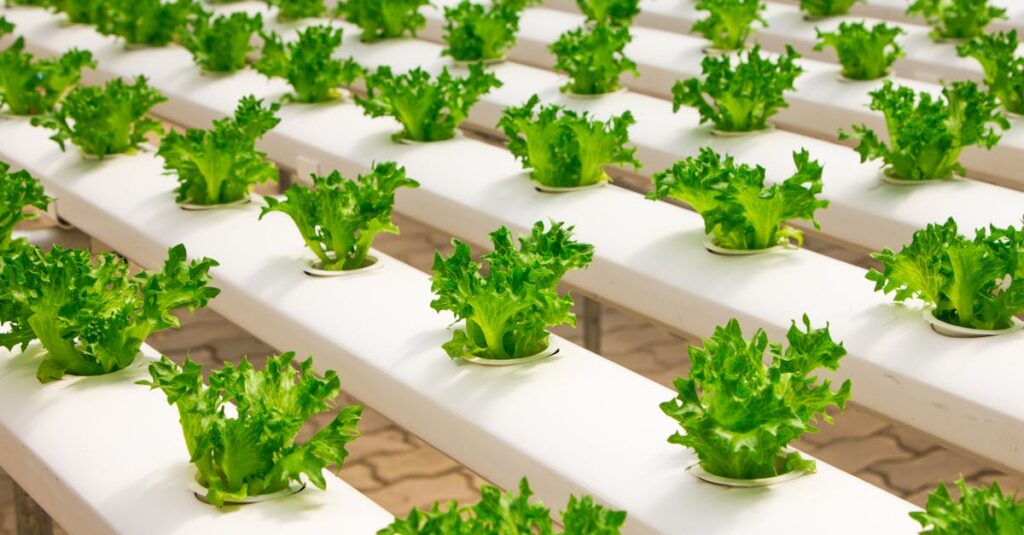
Vertical farming transforms urban agriculture by utilizing space efficiently. Indoor farms stack crops in layers, allowing year-round production regardless of weather conditions. This method reduces the need for pesticides, resulting in healthier produce. Additionally, vertical farms often use hydroponics or aeroponics, minimizing water waste by up to 90% compared to traditional farming. A study by the Food and Agriculture Organization noted that vertical farming can produce food closer to consumers, reducing transportation emissions. Increased accessibility to fresh produce enhances urban food security.
Aquaponics and Hydroponics
Aquaponics and hydroponics are innovative systems combining fish farming and soil-less plant cultivation. In aquaponics, waste from fish provides nutrients for plants, creating a balanced ecosystem. Hydroponics relies solely on nutrient-rich water solutions to grow plants without soil. Both methods use significantly less water than conventional farming, with reductions reaching 70% or more. Research has shown these systems can yield crops faster and in smaller spaces, making them ideal for urban settings. Enhanced sustainability and resource efficiency are key benefits of adopting these technologies.
Challenges in Implementing Sustainable Farming Technology
Adopting sustainable farming technology presents several challenges for farmers. Understanding these hurdles is crucial for successful implementation.
Cost and Investment
High initial costs often deter farmers from investing in sustainable technologies. Some precision agriculture tools, like drones and sensors, require substantial capital for purchase and maintenance. Financial barriers may impede small-scale farmers from accessing these innovations. Long-term savings from reduced inputs and increased yields often do not offset initial expenses quickly. Furthermore, funding opportunities and grants remain limited, complicating investment decisions. Farmers may struggle to evaluate the profitability of these technologies without clear, quantitative data demonstrating potential returns.
Knowledge and Training
Lack of knowledge about sustainable farming practices hampers technology adoption. Farmers must navigate complex systems, requiring specialized training to leverage these new tools effectively. Access to educational resources remains a significant challenge, especially in remote areas. Training programs may not always match the latest technological developments, leaving farmers underprepared. Peer networks can provide informal support and knowledge sharing, but formal education initiatives often lag behind. As technology evolves, continuous learning becomes essential for farmers to stay competitive in sustainable practices.
Future Trends in Sustainable Farming Technology
Emerging technologies shape the future of sustainable farming, driving efficiency and minimizing environmental impact. Data analytics plays a crucial role in precision agriculture, allowing farmers to make informed decisions based on real-time information about soil health and crop conditions. Robotics and automation enhance labor efficiency by performing tasks such as planting and harvesting with precision, reducing the need for human intervention.
Vertical farming continues to gain traction, enabling cultivation in urban areas while conserving space and resources. In 2023, this method may become mainstream with projected increases in urban population, further supporting food supply chains. The integration of renewable energy sources, like solar panels and wind turbines, allows farms to reduce reliance on fossil fuels and lower overhead costs.
Blockchain technology offers transparency in food production, ensuring consumers can trace the origin of products. This traceability boosts consumer confidence and can lead to premium pricing for sustainably produced goods. Artificial intelligence’s predictive capabilities will advance further, facilitating optimized planting schedules and crop rotations, which enhance yield and sustainability.
Aquaponics seeks relevance as a method combining aquaculture and hydroponics, presenting a sustainable alternative to traditional farming practices. By using nutrient-rich water from fish tanks to nourish plants, farms minimize water usage while maximizing land efficiency. Advancements in genetic engineering may also yield crops with improved resilience to climate change, ensuring food security as environmental conditions shift.
Collaborative platforms are emerging to connect small-scale farmers with resources and training. Networking opportunities help build knowledge sharing and access to technology, addressing financial and education barriers. Regulatory support could further drive adoption, making sustainable farming technologies more accessible and attractive.
Sustainable farming technology stands at the forefront of a transformative movement in agriculture. By embracing innovative tools and practices, farmers are not only enhancing productivity but also protecting the environment for future generations. The integration of advanced technologies like drones and artificial intelligence is paving the way for smarter farming that conserves resources and promotes biodiversity.
As the agricultural landscape continues to evolve, the commitment to sustainability will be crucial. Overcoming challenges such as initial costs and knowledge gaps will require collaborative efforts and ongoing education. With the right support and resources, sustainable farming technology can lead to a resilient agricultural sector that thrives economically while safeguarding the planet. This commitment to innovation and sustainability is essential for achieving food security and ensuring a healthier world for all.